Self storage 101: how it works, what it costs and what to expect
Published:
by Rasmus Nørgaard

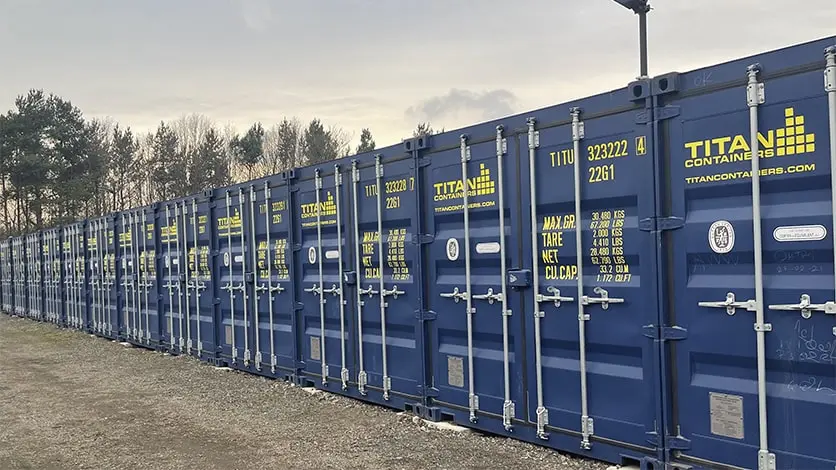
TL;DR – self storage is a convenient way to protect your personal possessions or business goods, with a private, lockable unit available to you 24/7 (usually).
You’ve probably seen a self storage centre while driving around town – or when joining/leaving a motorway, as they are commonly seen on industrial estates with good transport links.
Self storage facilities are safe, secure compounds where people rent individual units to store their goods – be that personal possessions or business items.
You can choose from different sizes of units – and you generally have the freedom to add things to your secure space (or take them out) whenever you wish.
You’ll sign a contract before getting the keys to your unit, and usually store on an ongoing basis. Most self storage centre have a notice period for when you want to extract your possessions and close your account.
Renting a storage unit is an affordable, convenient way to expand your storage space whenever you need more room for household items, business stock or workplace tools.
Other reasons people rent self storage include:
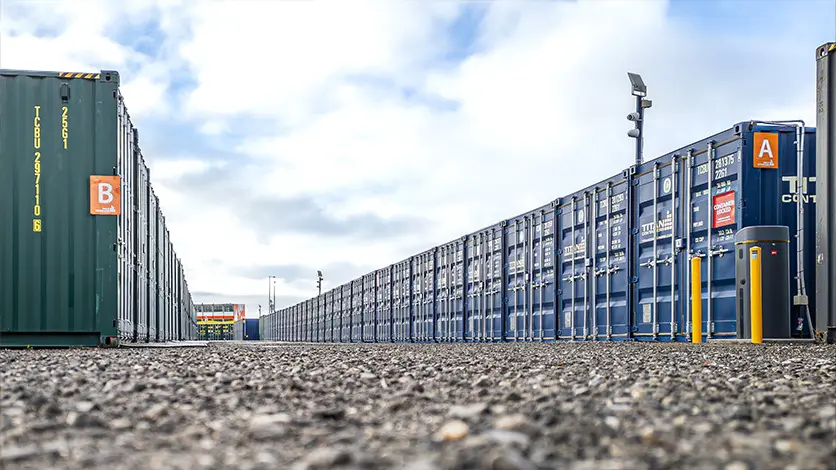
The individual unit you will rent at a self storage depot typically takes one of two forms:
In either case, all storage units are usually protected behind barrier fencing, and you are given either a key or an access code to enter the compound when you start your rental contract.
Self storage centres are designed to be easy to use and offer convenient storage for customers.
However, it would be inaccurate to say that they are all the same, as there are many differences. You need to consider what type of facility works best for you.
High on your priority list will be the location of the self storage service. Unless you rarely plan on visiting your unit, it is always a good idea to choose a centre that is local to you.
Once you start a self storage contract, you may be surprised by how regularly you visit your goods in storage, adding and removing items as you go. Local storage units can be invaluable!
You may also find that you have a preference for the shipping container-type of self storage centre over the ‘warehouse’ option. Or vice versa. Pay close attention to opening times, too.
Key considerations:
Next up is selecting a unit size. The bigger the unit, the more you will pay, so it makes sense to have a clear idea of what you plan to store and its total volume before booking your slot.
As a general rule, the contents of a two- or three-bedroom house will often fit in a storage unit with a capacity of around 1,100 ft.³ – about what you’d get in a typical 20ft container.
Some self storage centres are fully booked and have a waiting list, so the best way to begin is to start phoning around to check prices, facilities and availability.
| Size of home | Likely floor space needed if you want to store all contents |
| 2-bed | 10-14m2 |
| 3-bed | 12-20m2 |
| 4-bed | 18-30m2 |
Once you have found one you like that has space available, a site visit is recommended to make sure the facility meets your needs.
This is also a good opportunity to take a look at the actual unit you will be renting. If it is not available for a few weeks, you will have to make do with viewing a similar unit.
The location of your unit within the self storage centre is important, because in rare instances it won’t be easy to get to from your car or van.
Always try to choose a unit that you can drive up to.
Expect to be shown a contract and asked to sign it before you are given your keys and are allowed to start moving your items in.
It is always worth checking the small print, and you need to have a clear idea of the fee structure and any deposits that may be involved.
When the time comes to move your goods in, familiarise yourself with the opening hours (some facilities have 24/7 access) and then simply park as close as you can to your unit to start unpacking.
Your self storage company will often provide trolleys to help you move bulky items into your unit. One thing you may find helpful is to carefully plan which items you are most likely to need regularly and load them in last so they are at the front of your unit.
Make sure you are happy with the quality of your lock – and if necessary, consider upgrading to a higher-security model (although you may need to check the centre’s policy on this before doing so).
In brief – the really simple guide to self storage
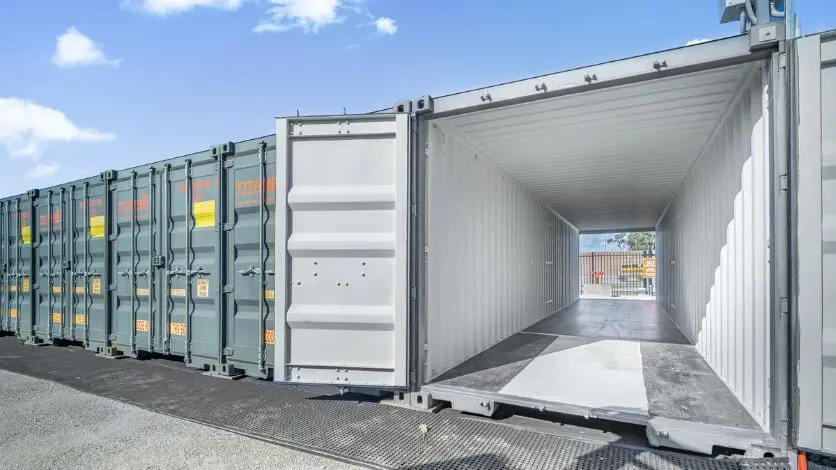
Most self storage spaces are rectangular. They are typically around 7 to 9 feet high, allowing you to stack items. Every self storage centre will have its own list of rules about what can and cannot be kept inside, but most will accept the following:
Stock items for business use are not always allowed, so be sure to check your contract if you plan to hold your inventory in a self storage centre.
Note also that you will almost certainly not be allowed to meet clients or conduct business in your self storage space.
Similarly, some centres won’t allow you to store building and decorating materials such as sand, cement, paint or gravel.
Always read the small print to avoid disappointment.
Self storage centres are keen to ensure the entire premises are safe for all users – so anything considered to be hazardous, such as flammable materials or chemicals, is almost always prohibited.
You may also wish to think twice before storing temperature-sensitive belongings that could be damaged by extreme cold or heat. Very high temperatures can cause wood to warp and create problems for electronics and wine collections, for example.
When temperatures drop, meanwhile, this can cause issues for leather items, electronics and musical instruments.
| Generally allowed | Generally not allowed |
| Furniture | Paint and chemicals |
| Books, DVDs, CDs | Batteries |
| Bikes | Odorous materials |
| Tools | Loose building materials |
| Electrical goods | Cash |
| Clothing | Perishable foods/wet goods |
| Kitchenware | Fireworks and ammunition |
Storage space for rent is usually advertised in terms of the area individual storage units offer in square feet (or square metres).
A unit that is 20 feet long by 10 feet wide offers 200 ft².
A more helpful measurement, perhaps, is the volume in cubic feet. If your 200 ft² room is 10 feet tall, it would offer 2,000 ft³ of storage.
The total capacity of your storage unit is incredibly important, but don’t be swayed by unusually tall ceiling heights. That’s because, when storing, it is difficult to stack items higher than seven or eight feet due to safety concerns.
Always think carefully about the space being advertised and make sure you can use what you are paying for.
If you are going down the storage/shipping container route, these units are usually advertised by the length of the unit you are renting. The most common sizes are:
The 20-foot storage container is widely available across the UK and meets the needs of many customers. The typical interior storage space in a 20-foot self storage container is around 1,150 ft³.
If you have larger storage capacity needs, a 40-foot container doubles this, providing around 2,300 ft³ of space.
But what can you fit in each of these containers? The contents of a typical two or three-bed home can usually fit in a 20-foot container. A 40-foot container is generally ample for a property with four or five bedrooms.
In a smaller storage unit, such as a 10-foot lock-up, you’re likely to have around 550 ft³ to play with. This is ideal for the contents of a smaller flat, or perhaps a collection of personal items such as bikes and furniture.
Trying to assess the likely storage capacity you will need can be tricky – especially when you have goods in different rooms. If possible, group all the items you plan to store into piles and measure the total volume (in cubic feet or metres) of each pile.
When you add these together, you should arrive at a reasonable approximation of your total storage needs.
Quick calculations:
Now multiply the two answers to arrive at the capacity you need.
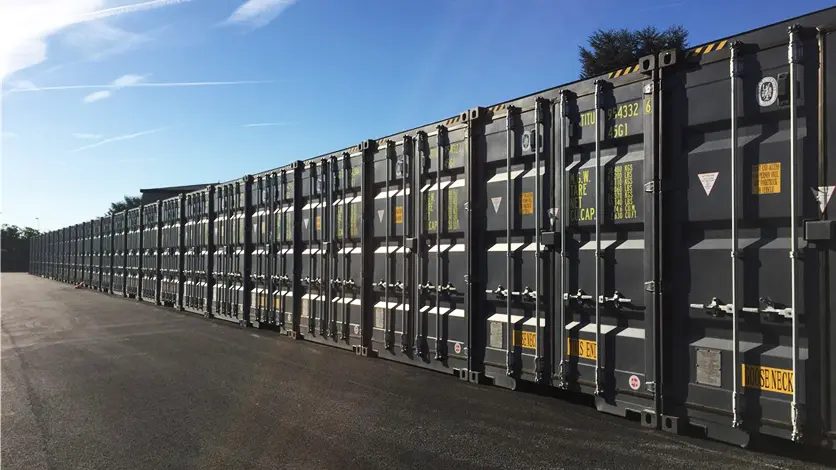
When doing your homework at the start of your self storage adventure, one thing you will be looking out for – even if only subconsciously – is the security setup at the storage site you are interested in.
People are typically attracted to self storage locations with:
As a customer, you also have certain responsibilities to help ensure your goods in storage are safe. These include making sure your unit is always properly locked before leaving and, in some cases, ensuring site access is secure when you depart.
You also have a responsibility not to share your access code with unauthorised third parties. And if you lose an access key fob, remember to inform staff as soon as possible.
Your facility may require you to take out insurance that covers the facility in the unlikely event that something in your storage unit damages either the unit itself or those around it.
If not, insurance is highly recommended for your own peace of mind – especially if you have valuables in storage. You may be able to organise this as part of your contract or from a third-party insurance provider. £10,000 of cover for your goods typically costs around £20-£30 per month.
The price of self storage varies across the UK and is influenced by the following factors:
As there is such a wide variety in storage prices per square foot, it can be difficult to work out how much your storage space will cost in advance.
As a guide, a typical price for a 20-foot unit from TITAN Containers’ self storage is around £190 per month, including VAT. Prices vary according to location (TITAN has more than 28 to choose from).
It is always a good idea to get quotes from several different self storage places before making your decision. Some big-name self storage companies can be eye-wateringly expensive!
If you plan to store items for a long time, it is worth asking your storage centre if they offer discounts. Some do, as long-term clients generally help their business run a little more smoothly and reduce changeover costs.
However, a small reduction may not be worth pursuing if you are unsure about your long-term plans! Saving £50 on a year-long contract would not be in your best interest if you decided to withdraw all your goods after two months.
As with everything in the world of self storage, it all comes down to personal choice. Whether that’s location, rental duration, unit size or type of unit (container Vs warehouse), there’s a perfect unit with your name on it somewhere close by.
Looking for self storage? Get in touch to ask about our secure, flexible self storage facilities and find the right unit for your needs.

Storage containers and shipping containers are often confused. This quick guide explains the key differences, standards, and what you need to know before renting or buying.
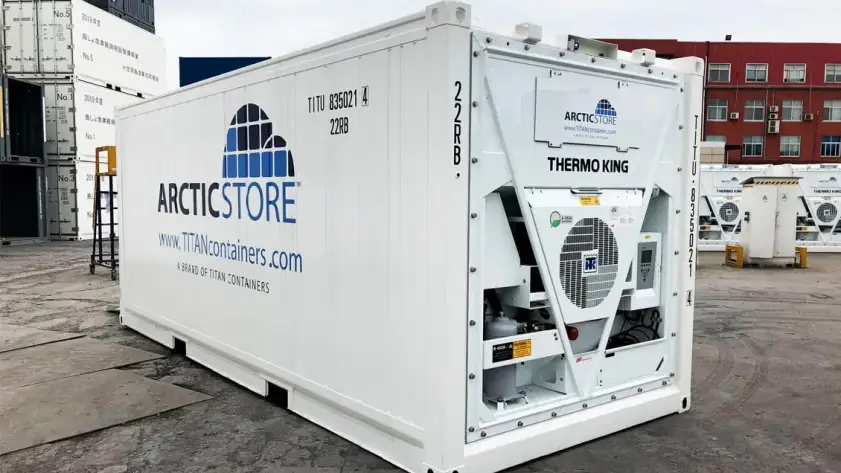
A reefer container is a powered, temperature-controlled container designed to store or transport chilled and frozen goods. This guide explains how reefer containers work, the different types available, and when they’re the right solution for cold storage needs.
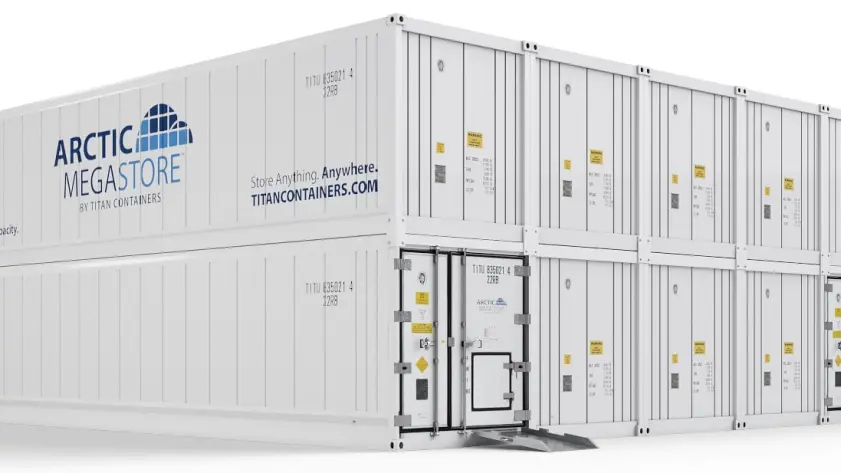
Revolutionary two-storey design, modular flexibility, and huge storage capacity – the Arctic MegaStore redefines cold storage efficiency.